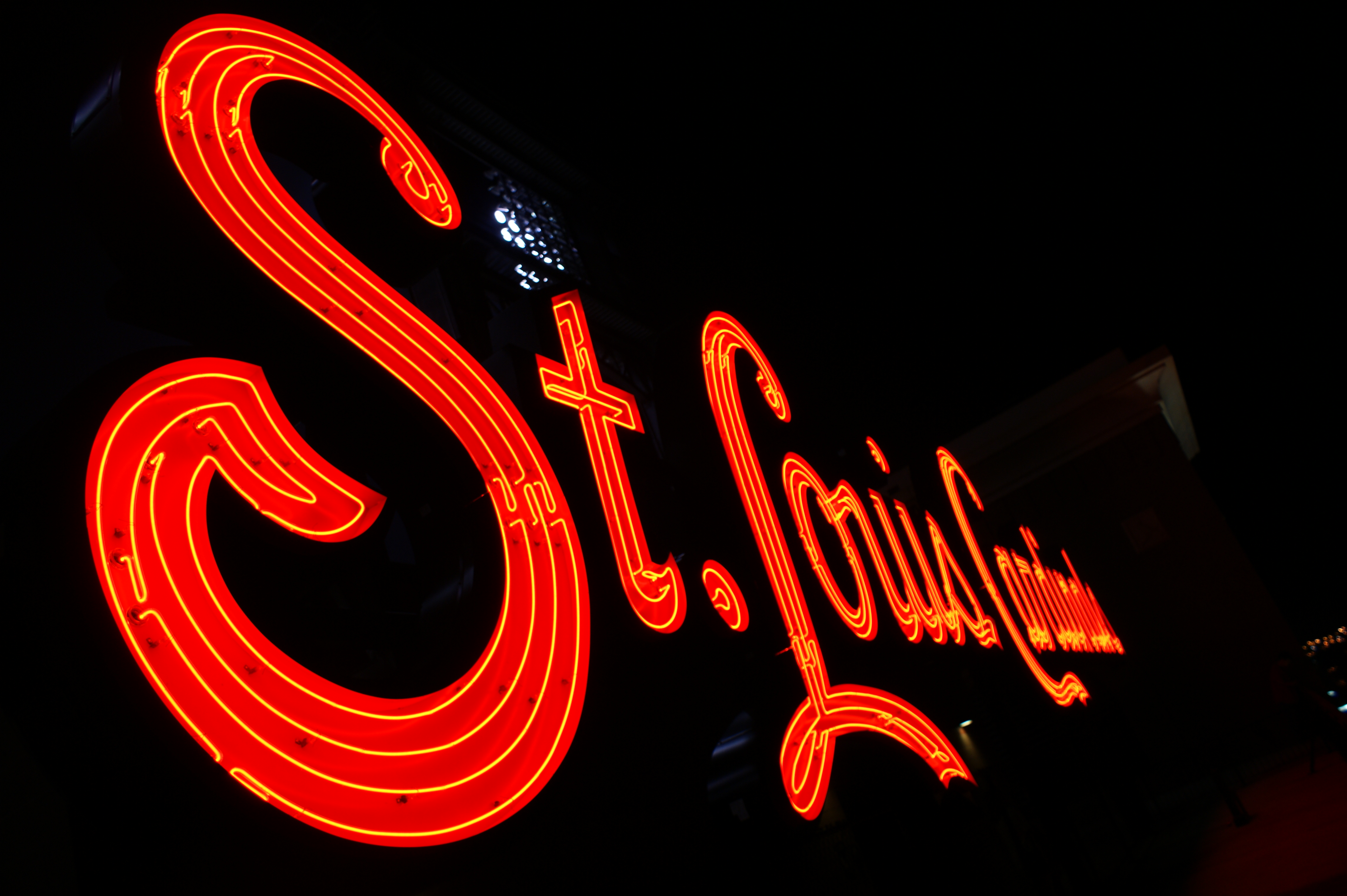
The Phillies are playing the Cardinals and this will forever make me think about Scott Rolen. On July 29, 2002, the Phillies traded Rolen and Doug Nickle to the Cardinals for Placido Polanco, Bud Smith and Mike Timlin. The Phillies had the best 3rd baseman of a generation, AGAIN, and got rid of him. There is literally no way to feel good about what happened.
Friday, August 21 at 6:40p – Jesus Luzardo v Hunter Dobbins (R)
Citizen’s Bank Park – Philadelphia, PA
Saturday, August 22 at 6:05p – Andrew Painter v Quinn Mathews (L)
Sunday, August 23 at 1:35p – Cristopher Sanchez v Kyle Leahy (R)
In Rolen’s 5 full seasons with the Phillies, he hit .286 with a .892 OPS and averaged 35 doubles, 25 HRs, and nearly 100 RBI per season while playing some of the best defense in baseball. He also had no idea how to navigate Philadelphia. By this I mean that the small-town Indiana kid came off sheepish and was bullied by the media. Obviously, the city is notoriously tough on people, but instead of speaking up for himself, the word is that he internalized everything and simmered. It didn’t help that he loathed going to fan events and either declined or had to be dragged to an appearance.
Rolen especially had a problem with his manager, Larry Bowa, who was completely incapable of comprehending that all ballplayers might not be like him. Bowa was known to be a small try-hard who kissed the dirt every day he got to play on it (not literally, but that’s believable). Though Rolen worked hard, he did not play with the same type of emotion as someone like Bowa and it made him come off as not trying. This same type of false character analysis attached to teammate Bobby Abreu as well. Bowa hated it. The press dogged him for it. It was an issue that wouldn’t have been anywhere else in MLB.
Despite the personality clash, Rolen still thought himself a Phillies lifer. Afterall, that was the goal of any kid: get drafted, win the World Series, spend your career with one team. The real problem though was that Rolen didn’t see how that middle goal was possible. Why? The Phillies were cheap. This is where things get interesting.
Despite the label, the Phillies offered Rolen a contract extension worth $90m over 7 years (with three option years for another $50m). This was serious money for the time. Rolen turned it down. For many, this was an unforgiveable sin. The reasoning though was savvy and something every Phillies fan agreed with. Had Rolen signed his contract, was the team going to keep spending? The answer was no. Rolen was not ok with that. Over the first four full seasons of his career, the team had an average record of 71-91. That 5th year though, 2001, things got better at 86-76. The team had a young nucleus of Rolen (26), Jimmy Rollins (22), Pat Burrell (24), Bobby Abreu (27), and Randy Wolf (24). The Phillies were going to sit on their hands and ride with these young, inexpensive players and that would be that.
The 2002 season did not start very well and the Phillies were 10 games below .500 by mid-July. With Rolen up for free agency at the end of the season, the team basically had to trade him (or promise to spend money, but that wasn’t happening). The Cardinals had long been a suitor for the 3rd baseman and finally agreed to the deal on July 29.
Rolen rubbed salt in the Phillies wound, intentionally or not, by immediately claiming that he had died and gone to baseball heaven with the trade. Later he signed an 8/$90m deal and told the press that he wasn’t chasing every last dollar, he was chasing happiness. His St. Louis numbers were similar to the great numbers he put up in Philadelphia. His joining a young Cardinals team that included Albert Pujols, Yadier Molina, and Chris Carpenter helped the team to the World Series in 2006.
To sum up, Rolen clashed with the media, his coaches, and with fans. He then refused to take the Phillies money because he knew the team was going to pinch pennies on the rest of the roster and never compete. He goes to another team in a lackluster trade, calls it heaven, and wins the World Series. The worst part is that he was right about all of it, and everyone knew it! We all knew our team was cheap but what were we going to do about it? Rolen could leave, but we had to stay. It would make anyone extra bitter to see the villain of your life story live happily ever after.
Wait, so how in the world are we supposed to feel good about any of this? Well, the Phillies learned their lesson. At the end of the season, the Phillies had a sort of epiphany that not only did they need to spend money to compete, but that they were actually going to have money to spend. While all of the Rolen nonsense was going on, the Phillies were in the middle of trying to get a new stadium built. This was agreed to in 2001 and it looked like the team would be moving in at the start of the 2004 season. This meant more revenue streams including naming rights, better suites, and more season ticket packages. The team was finally ready to get out their checkbook.
That offseason saw the additions of Jim Thome and David Bell. Payroll jumped from $41m in 2001 to $70m in 2003 and other than the lean years in the 2010s, hasn’t stopped climbing since. Thanks to this new philosophy, the 2008 payroll was up near $100m and the Phillies became the team that would extend their own players with big deals, make big moves in trades, and became maybe the best team in baseball from 2008-2011. Would we have been better with Scott Rolen? I don’t know. There’s no guarantee the team would have ever started spending if he didn’t turn them down.
Payroll Info: The Baseball Cube
Photo: Me!
Leave a Reply